The Bar as a Social Space
Bars are a location where several spontaneous opportunities of social interaction can arise as social boundaries are diminished. Liquor-consuming environments are the most suitable place for people to come-in without plan or leave without a word after the plan is quietly brushed aside, rendering them a unique social ground. This open capacity has, over time, defined the very essence of how bars are run and how people use them in other ways as extensions to their social lives.
The social role of bars might be underappreciated, but its vitality for the bars' legacy is undeniable. Regardless of the shift in drinking behavior, the quest for common places clearly lingers in time. Bars win big if they can understand and cater to this role, focusing their energies on the human exchange and not purely on consumption.
Neutral Ground and Shared Presence
One of the defining features of a good bar is its neutrality. It is not owned by any single group, even when regulars dominate certain seats. People from different backgrounds occupy the same room without needing to explain themselves. This shared presence creates a subtle sense of equality that is rare in more structured environments.
The bar counter plays a key role here. Sitting side by side rather than face to face changes the dynamic of conversation. Strangers can speak without commitment, listen without interruption, and leave without awkwardness. This design encourages brief connections that feel natural rather than forced, allowing social interaction to emerge at its own pace.
Conversation as the Main Attraction
While drinks draw people in, conversation is what keeps them engaged. Bars provide an atmosphere where talk can stretch, pause, and resume without pressure. The background noise, lighting, and pace of service all contribute to this environment. When done well, they create a setting where silence feels comfortable and speech feels optional rather than expected.
This conversational freedom supports many kinds of interaction. Some people come to reflect quietly, others to debate or celebrate. The bar accommodates all of it by offering a shared rhythm rather than a fixed agenda. In this sense, the drink is less important than the space it supports.
Time, Loosened but Not Lost
Bars alter the perception of time in subtle ways. Hours pass without clear markers, allowing people to stay longer than intended or leave earlier than planned. This loosened sense of time is not accidental. It is shaped by lighting that softens edges, music that avoids urgency, and service that flows steadily rather than quickly.
When time feels less rigid, people become more open to conversation and reflection. This does not mean bars should encourage excess. Instead, they succeed when they balance comfort with awareness, allowing guests to enjoy the moment without losing track of themselves or the world outside.
The Evolution of Cocktail Culture
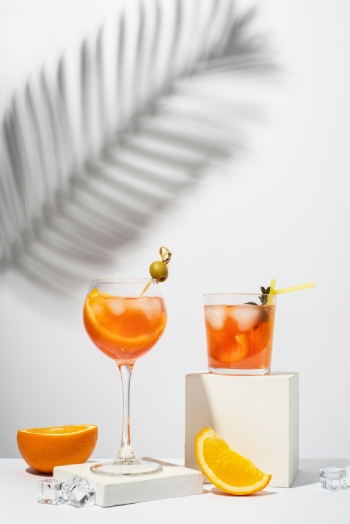
Cocktail culture did not emerge overnight. It developed through experimentation, tradition, and adaptation to changing tastes. What began as a practical way to combine spirits with modifiers gradually became a craft, shaped by technique and attention to detail. Over time, cocktails became expressions of place, era, and personal style.
Despite shifts in fashion and preference, the core of cocktail culture has remained consistent. It values balance, clarity, and restraint. The most enduring drinks are rarely complicated. They succeed because they respect the ingredients and the drinker, offering pleasure without excess.
From Function to Craft
Early cocktails were designed to make strong spirits more approachable. Sugar, citrus, and bitters softened harsh edges and created consistency. As bartending became more professionalized, these combinations evolved into recipes with defined proportions and techniques. The drink moved from necessity to intention.
This shift toward craft changed expectations on both sides of the bar. Bartenders became custodians of knowledge, while guests learned to appreciate subtle differences in flavor and texture. The relationship became collaborative rather than transactional, grounded in trust and shared curiosity.
Classic Drinks and Lasting Appeal
Classic cocktails endure because they solve problems simply. They balance strength, sweetness, acidity, and bitterness in ways that feel complete. These drinks offer familiarity without stagnation, allowing each bartender to interpret them through small adjustments rather than reinvention.
Their continued relevance also reflects a broader cultural desire for stability. In a world of constant novelty, classics provide reference points. They remind both bartenders and guests that refinement often comes from repetition and understanding rather than constant innovation.
Modern Interpretations and Restraint
Contemporary cocktail culture often experiments with new ingredients, techniques, and presentations. When successful, these innovations expand the language of drinks without overwhelming it. The challenge lies in maintaining clarity. Complexity should serve the drink, not obscure it.
Restraint has become a defining value in modern bars that prioritize longevity. Rather than chasing trends, they focus on thoughtful adaptation. This approach respects both tradition and the evolving tastes of guests, creating menus that feel current without feeling temporary.
The Bartender’s Role
There is no hard or fast rule governing the amount your tip should be. Allow the shared expenses, social demands, and economic conditions to influence your decision. However, consider the average wage in your tips, the number of beverages consumed by yourself and the people in attendance, and the purchase price of each drink as well. Some controversial issues deserve considerable attention only for the amount they will warrant. The first consideration is whether or not you should tip the bartender for the free drinks. And now, let us discuss the actual amounts to be made based on the equation.
Technical Skill and Consistency
Consistency is one of the most undervalued aspects of bartending. Guests return to bars where drinks taste the same each time, even as staff or circumstances change. Achieving this requires disciplined technique and respect for established methods.
Technical skill also ensures safety and balance. Measuring accurately, handling ingredients properly, and maintaining clean workspaces are essential. These practices protect both the guest and the integrity of the drink, reinforcing trust in the bar as a reliable environment.
Reading the Room
Beyond technique, bartenders must read the room. This involves recognizing when to engage and when to step back, when to speed up service and when to slow it down. These judgments shape the overall tone of the space and influence how guests interact with one another.
This awareness extends to individual needs as well. A guest seeking conversation may appreciate a few words, while another may prefer quiet efficiency. Good bartenders adjust naturally, responding to cues without making the interaction feel managed or scripted.
Hospitality Without Performance
True hospitality does not require theatricality. It is rooted in attentiveness and respect. When bartenders focus on genuine care rather than performance, guests feel more at ease. The interaction becomes human rather than transactional.
This approach also supports sustainability in the profession. Performing constantly can be exhausting, while attentive service allows for longevity. Bars that value this balance tend to cultivate stronger relationships between staff and guests, reinforcing community over time.
Design, Atmosphere, and Flow
The physical environment influences behavior in bars almost as much as menu does. Appearance, lighting, music, layout, and materials all affect how people move and meet inside a space. Good design should support comfort and conversation inconspicuously, allowing the guests to relax.
The atmosphere is not showy; the best bars are usually very simple, even understated. It is the way that the space simply supports the social function of the place, allowing guests to focus entirely on one another rather than on the surroundings, which makes a successful design.
Light as Mood Setter
Lighting is one of the most powerful tools in a bar. Soft, indirect light encourages relaxation and reduces self-consciousness. It makes faces look kinder and spaces feel more intimate. Poor lighting, by contrast, can disrupt conversation and create discomfort.
Good bars adjust lighting throughout the evening, responding to the natural progression of time. Early hours may be brighter and more open, while later moments become warmer and dimmer. This subtle shift guides the mood without requiring explanation.
Sound, Silence, and Balance
Sound design is equally important. Music should support the room rather than dominate it. When volume overwhelms conversation, the social function of the bar suffers. Successful bars find a balance where sound fills space without demanding attention.
Silence also has value. Moments without music allow conversations to breathe and the room to reset. This awareness of sound, including when to remove it, reflects a deeper understanding of how atmosphere influences behavior.
Layout and Human Movement
The arrangement of furniture and pathways determines how people move through a bar. Clear sightlines and accessible seating encourage guests to settle in, while cramped layouts can create tension. The bar counter itself often acts as the anchor, drawing people together.
Flow matters not only for guests but for staff. Efficient movement behind the bar supports smooth service and reduces stress. When design considers both sides of the interaction, the result is a space that feels intuitive rather than imposed.
Ingredients, Technique, and the Glass
Cocktail culture affirms the lineages between what goes into a glass, but not solely. Ingredients and technique matter because they shape the experience of drinking. Quality is not about rarity or expense; it is about how the ingredients come together in a drink and how much care is given to this process.
The respect given to the glass goes beyond its flavor. When all aspects fall into place-temperature, texture, visual presentation-and everything is balanced, the drink seems put together and complete.
Choosing Ingredients with Purpose
Good bars select ingredients based on balance rather than novelty. Freshness, stability, and compatibility matter more than trendiness. This approach ensures that drinks remain consistent and approachable.
Purposeful selection also supports sustainability. Using ingredients fully and responsibly reduces waste and simplifies operations. Bars that prioritize this mindset often develop clearer identities and stronger connections with their menus.
Technique as Quiet Discipline
Technique in cocktail making is often invisible to the guest. Shaking, stirring, and building drinks correctly ensures proper dilution and integration. These actions may seem minor, but they define the drink’s final character.
Discipline in technique reflects respect for the craft. It allows bartenders to execute drinks reliably under pressure, maintaining quality even during busy service. This consistency builds trust and reinforces the bar’s reputation.
The Role of Glassware
Glassware shapes how a drink is experienced. The weight, rim, and volume influence aroma and mouthfeel. Choosing appropriate glassware is not decorative, but functional.
When glassware aligns with the drink, it disappears from notice. The guest focuses on flavor and conversation rather than presentation. This subtlety reflects maturity in cocktail culture, valuing experience over display.
Community, Regulars, and Ritual
An important feature of gaining the good in being a bar is to ensure that they become a part of a community and not just outside of it. Regulars bring, well, a wholly new element to these settings, creating a shared facet and creating familiar spaces out of destinations.
Community doesn't mean exclusivity, however. The most successful bars balance familiarity with a degree of openness that invites newcomers without unravelling established rhythms. To achieve this balance, intention and care are needed.
The Value of Regulars
Regular guests contribute to a bar’s identity. Their presence signals reliability and comfort to newcomers. They also provide feedback, both spoken and unspoken, that helps bars adjust and evolve.
However, managing regulars requires sensitivity. Favoritism can alienate others, while neglect can erode loyalty. Successful bars maintain fairness while acknowledging familiarity, creating an inclusive environment.
Rituals That Ground the Space
Rituals, whether formal or informal, give bars structure. Opening routines, signature drinks, or even unspoken customs help define the experience. These practices create continuity across nights and seasons.
Rituals also support staff. They provide reference points during busy service and reinforce shared standards. Over time, these habits become part of the bar’s culture, shaping behavior naturally.
Belonging Without Obligation
A strong bar community allows guests to belong without expectation. People can come often or rarely, speak or observe, participate or withdraw. This flexibility is central to the bar’s appeal.
When bars respect this autonomy, guests feel comfortable returning. The space becomes a reliable option rather than a commitment, supporting long-term relationships without pressure.
Change, Trends, and Longevity
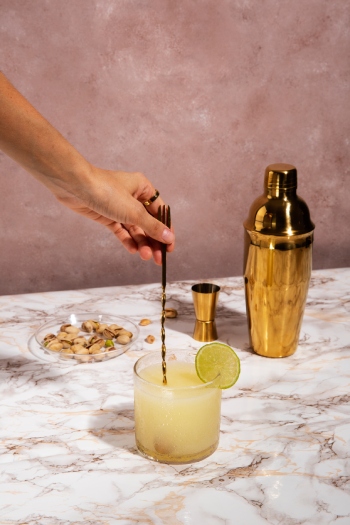
Bars operate within changing cultural and economic contexts. Trends influence menus, design, and service styles, but longevity depends on adaptability. Bars that endure understand when to evolve and when to remain steady.
Change should be guided by observation rather than reaction. By paying attention to guests and the wider environment, bars can adjust thoughtfully rather than chasing novelty.
Responding to Shifts in Drinking Habits
Drinking habits change over time due to health awareness, cultural shifts, and regulation. Bars that acknowledge these changes without judgment remain relevant. Offering varied options and pacing service thoughtfully supports diverse needs.
This responsiveness does not dilute identity. Instead, it demonstrates respect for guests as individuals. Bars that adapt with care maintain trust and relevance across generations.
Balancing Innovation and Familiarity
Innovation keeps bars interesting, but familiarity keeps them comfortable. The challenge lies in integrating new ideas without disrupting established rhythms. Incremental change often proves more effective than wholesale reinvention.
By anchoring innovation in core principles, bars ensure continuity. Guests recognize the space even as details evolve, preserving emotional connection alongside novelty.
Endurance Through Attention
Longevity is built through attention to detail and people. Bars that last focus less on image and more on experience. They invest in staff, maintain standards, and listen carefully.
This attention creates resilience. When external conditions shift, bars with strong internal culture adapt more easily. Their identity remains grounded, allowing them to navigate change without losing themselves.
What Makes a Bar Last
Not all bars are meant to last forever, but those that do share common traits. They prioritize people over trends, balance over excess, and consistency over spectacle. These qualities may not attract immediate attention, but they build lasting relationships.
Understanding what makes a bar endure offers insight into cocktail culture as a whole. It reveals that success lies not in novelty, but in care and restraint.
Trust Built Over Time
Trust develops when guests know what to expect. This does not mean predictability without variation, but reliability in quality and atmosphere. Bars earn trust through repeated positive experiences rather than single impressions.
Once established, trust allows bars to experiment gently. Guests are more open to change when they feel secure in the bar’s foundation.
Staff as the Living Memory
Staff carry the memory of a bar. Their habits, stories, and relationships preserve continuity even as menus and interiors change. Investing in staff development supports this living history.
When staff feel valued, they extend that care to guests. This creates a cycle of respect that reinforces the bar’s culture and longevity.
Knowing When to Stay the Same
Change is not always improvement. Bars that last recognize when to preserve core elements. This discernment prevents unnecessary disruption and protects the bar’s identity.
Staying the same requires confidence. It reflects a belief in the value of what already exists and a commitment to maintaining it thoughtfully.
Care, Responsibility, and Staying Human
As bars continue to play a central role in social life, questions of responsibility and care have become impossible to ignore. A bar is not just a place where alcohol is served; it is an environment where mood, judgment, and behavior shift over time. How that space is managed affects not only individual guests, but the wider community around it. Responsible bars understand that their influence extends beyond the last drink poured.
This responsibility does not require moralizing or rigid control. Instead, it shows up in small, consistent decisions that prioritize people over volume. Bars that take this seriously tend to feel calmer and more trustworthy, even when busy. Guests sense when a space is being looked after rather than pushed.
Key practices that support this balance often include:
- Thoughtful pacing of service, allowing guests time to settle rather than encouraging rapid consumption
- Clear communication between staff to notice changes in guest behavior early
- Offering non-alcoholic options with the same care as cocktails, without making them feel secondary
- Creating an atmosphere where stepping out or stopping feels normal, not awkward
These practices sit quietly in the background, but they shape the entire experience. When guests feel safe, respected, and unpressured, they stay present in the room rather than slipping into excess. Over time, this approach builds a healthier relationship between bars and the people who return to them again and again.
Quiet Principles, Lasting Impact
Bars and cocktail culture are able to endure because they focus on the basics. Void of trends, a bartending skill set of bright light, a steady hand, and glass-quality knowledge is an appreciation of good practices. This permits the space for people where they feel free, talk their age out, and relax no more.
However, the bars still keep the forefront intact by evolving and attempting to capture the spotlight. They contribute to shaping people's companionships with the vessel of private enterprise. It is a real reminder that basic are the heaviest.